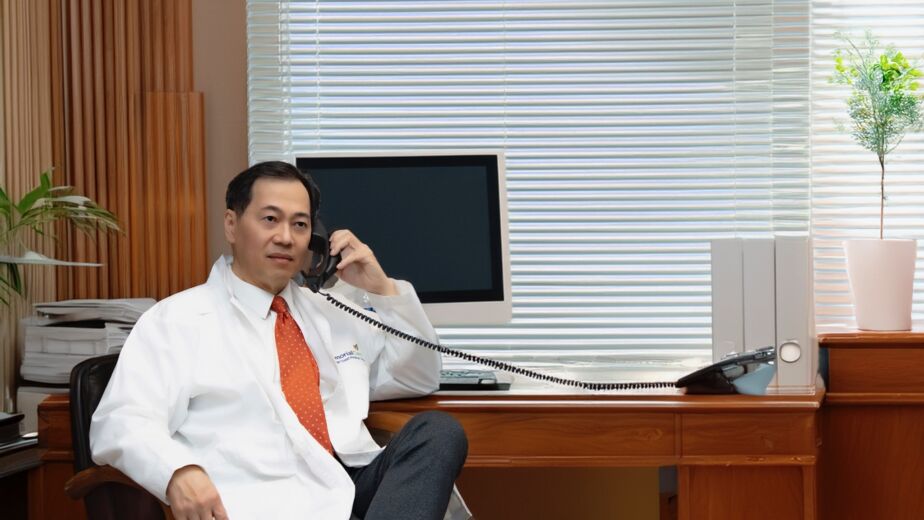
Colon cancer screening has evolved significantly over the past decade. In 2026, the focus is no longer just on detection; it is on early detection, procedural precision, and patient safety.
For patients in Orange County and Fountain Valley, understanding why a board-certified gastroenterology specialist recommends minimally invasive colonoscopy can make the difference between delayed diagnosis and timely intervention.
Colon cancer remains one of the most preventable cancers when identified early. The key is accurate screening performed by an experienced physician with advanced procedural training.
Why Early Colon Cancer Detection Matters More Than Ever
Many gastrointestinal conditions share overlapping symptoms — abdominal discomfort, irregular bowel habits, bloating, or unexplained fatigue. Colon cancer in early stages may not produce obvious warning signs at all.
This is why screening colonoscopy remains a central part of preventive digestive care.
Early detection allows:
- Identification and removal of precancerous polyps
- Diagnosis before symptoms become severe
- Reduced need for complex surgical intervention
- Improved long-term outcomes
Board-certified specialists emphasize prevention because once symptoms appear, disease progression may already be advanced.
Routine colonoscopy is not simply a diagnostic tool; it is a preventive intervention.
Why Minimally Invasive GI Procedures Are Preferred in 2026
Modern gastroenterology prioritizes safety, precision, and efficiency. Minimally invasive GI procedures allow physicians to visualize, diagnose, and treat abnormalities during the same session.
Colonoscopy today is designed to:
- Provide direct visualization of the colon
- Remove polyps immediately when identified
- Control internal bleeding if necessary
- Reduce the need for multiple procedures
Interventional endoscopy allows a physician to do more than observe. It enables real-time treatment.
Dr. David M. Truong performs colonoscopy as part of his comprehensive gastroenterology services in Fountain Valley. As an expert interventional endoscopist, his procedural approach reflects decades of clinical experience combined with structured evaluation standards.
This is particularly important for patients who require both diagnostic clarity and therapeutic intervention during the same visit.
The Role of a Board-Certified Gastroenterology Specialist in Colon Cancer Screening
A board-certified gastroenterology specialist undergoes extensive training in digestive diseases, endoscopic techniques, and complication management.
Experience influences:
- Procedural accuracy
- Polyp detection rates
- Appropriate follow-up recommendations
- Safety protocols
With more than three decades of clinical experience in gastroenterology and hepatology, Dr. Truong evaluates patients using a structured, research-informed approach. His involvement as an Assistant Clinical Professor of Medicine at the University of California, Irvine, and experience leading Phase 1–4 FDA clinical trials reinforce adherence to evidence-based standards.
In colon cancer screening, discipline and experience matter.
Why Choosing a Screening and Diagnostic Colonoscopy Specialist Matters
Not all colonoscopies are equal.
A screening and diagnostic colonoscopy specialist focuses on:
- Risk stratification
- Appropriate screening intervals
- Identification of subtle lesions
- Clear post-procedure guidance
Diagnostic precision reduces unnecessary repeat testing and improves long-term surveillance planning.
Dr. Truong’s background in advanced endoscopic procedures allows many gastrointestinal findings to be addressed immediately, including polyp removal and therapeutic interventions when indicated. This approach aligns with modern standards of minimally invasive GI procedures in 2026.
For patients in Fountain Valley and Orange County, having access to this level of expertise locally simplifies continuity of care.
How Research and Evidence Influence Colonoscopy Standards in 2026
Clinical research plays a critical role in shaping screening recommendations.
Dr. Truong’s experience leading FDA clinical trials reflects a structured mindset rooted in:
- Documentation accuracy
- Safety verification
- Evidence review
- Long-term outcome analysis
In colon cancer detection, decisions are not made based on trends; they are guided by established medical standards.
This research-informed discipline directly influences how screening colonoscopy is approached, documented, and followed up.
When Should You Schedule a Colonoscopy?
You should consider evaluation if you experience:
- Persistent changes in bowel habits
- Rectal bleeding
- Unexplained abdominal pain
- Family history of colon cancer
- Age-appropriate screening eligibility
Even without symptoms, routine screening remains essential.
If you are seeking a screening and diagnostic colonoscopy specialist in Fountain Valley, early consultation provides clarity and structured guidance tailored to your risk profile.
Complete Colonoscopy Services in Fountain Valley
Dr. David M. Truong provides gastroenterology and hepatology services in Fountain Valley, CA, including colonoscopy as part of preventive and diagnostic care.
His clinical profile includes:
- 37+ years of specialty experience
- Assistant Clinical Professor of Medicine at UCI
- Leadership in Phase 1–4 FDA clinical trials
- Advanced interventional endoscopic expertise
Patients across Orange County benefit from having access to a board-certified gastroenterology specialist who combines procedural expertise with research-informed standards.
To review services or request an appointment, visit: https://davidtruongmd.com/
Early detection is not just about screening — it is about choosing the right specialist.
FAQ’s
Why do specialists prefer minimally invasive GI procedures for colon cancer screening?
Minimally invasive GI procedures allow physicians to diagnose and treat abnormalities during the same session. Colonoscopy enables direct visualization and removal of polyps, reducing the need for multiple interventions.
What makes a board-certified gastroenterology specialist important for colonoscopy?
A board-certified gastroenterology specialist has advanced training in digestive diseases and endoscopic techniques, improving diagnostic precision and safety.
How often should colon cancer screening be performed?
Screening intervals vary depending on age, risk factors, and findings from prior examinations. A specialist determines appropriate follow-up based on individual evaluation.
Does Dr. David Truong perform colonoscopy in Fountain Valley?
Yes. Dr. Truong performs colonoscopy as part of his comprehensive gastroenterology services, including diagnostic and therapeutic procedures.
Where can I schedule a consultation?
You can learn more about services and request an appointment by visiting https://davidtruongmd.com/